Author: Akshay

  • Wardrobe Organization System for Maximum Space

    A well-organized wardrobe transforms getting dressed from stressful to enjoyable. Most people wear only 20 percent of their clothing regularly. The remaining 80 percent takes valuable closet space without serving daily needs. Implementing a strategic wardrobe organization system maximizes limited space while ensuring you love everything you wear.

    The Problem with Disorganized Wardrobes

    Disorganized wardrobes create daily frustration. Finding matching outfits becomes time-consuming. Clothes get wrinkled or forgotten at the back of closets. Shopping becomes confusing when you can’t see what you already own. Duplicate purchases happen because items are invisible.

    Beyond the practical challenges, disorganized wardrobes create psychological stress. Decision fatigue increases when finding clothes becomes difficult. Cluttered closets make mornings chaotic rather than calm. This stress affects your entire day starting before you even leave home.

    An organized wardrobe eliminates these problems. You see everything you own at a glance. Getting dressed becomes quick and easy. You wear more of your clothing regularly. Life becomes simpler when your wardrobe functions efficiently.

    Understanding Your Current Wardrobe

    Assess What You Own

    Begin wardrobe organization by taking inventory. Pull everything from your closet and drawers. Yes, everything. This complete purge lets you see your entire wardrobe at once.

    Organize items by category. All pants together. All shirts together. All skirts together. Jackets organized together. This categorization reveals patterns in your wardrobe. You’ll notice how many black pants you own versus other colors. You’ll see which styles you repeatedly purchase.

    Evaluate Your Lifestyle

    Your wardrobe should match your lifestyle. If you work in a professional office, professional clothing should dominate. If you work from home, comfortable casual clothing matters most. If you have young children, durable practical clothing becomes essential.

    Many people keep clothing for lifestyles they no longer live. Business suits from corporate jobs. Workout clothes for exercise routines abandoned years ago. Aspirational clothing for a size you no longer are. Keeping clothing for past lifestyles creates clutter preventing current needs from being met.

    Assess What Actually Works

    As you evaluate your wardrobe, note which pieces actually work in your life. Which items do you reach for repeatedly? Which pieces make you feel confident? Which combinations do you wear most often?

    These favorite pieces deserve prime real estate in your closet. They should be easily accessible and well-organized. Less frequently worn items can occupy less convenient locations.

    The Wardrobe Purge Process

    Identify Items to Remove

    This is the hardest step but the most important. Be ruthless about removing items you don’t wear. If you haven’t worn something in a year, you probably won’t. If it doesn’t fit and you’re not actively working to fit into it, remove it.

    Ask yourself for each item: Do I love this? Does it fit? Would I buy this today? If the answer to any question is no, it goes. Clothing you keep should make you feel good. You should want to wear it. Every piece in your closet should earn its space by being worn regularly or making you genuinely happy.

    Handle Removed Items Properly

    Don’t just throw away clothing. Donate to local charities or consignment shops. Sell items online if they’re high-quality designer pieces. Give to friends or family who would wear them. Proper disposal of unwanted items supports others while clearing your space.

    The purge process feels lighter when you know your clothes will benefit others rather than going to landfills.

    Organizing Your Remaining Wardrobe

    Sort by Category

    Organize your remaining clothing by type. Keep all similar items together. All work blouses in one section. All casual t-shirts in another. All pants organized by type and color.

    This organization makes getting dressed logical and efficient. Looking for work clothes means going to one specific section. Finding casual weekend outfits takes seconds.

    Organize by Color Within Categories

    Within each category, organize by color. This system works beautifully for visual organization. You can quickly scan for items you want to wear.

    For example, in your work blouses section, arrange from light to dark colors. This color organization creates visual order while making color coordination simple during mornings.

    Use Appropriate Hangers

    Hangers matter more than most people realize. Mismatched hangers create visual clutter even when clothes are organized. Cheap wire hangers stretch clothes and create bulges.

    Invest in quality matching hangers. Wooden hangers work beautifully for quality pieces. Slim velvet hangers maximize closet space for smaller items. Using uniform hangers creates visual peace even in small closets.

    Maximize Closet Space

    Utilize Vertical Space

    Most closets waste vertical space. Install shelving above existing rods. Store off-season or less-worn items on upper shelves. Frequently worn items should occupy accessible heights.

    Double hanging rods double your closet’s capacity. Install one rod above another increasing storage for shorter items like shirts and folded pants.

    Use Under-Closet Space

    The floor space under hanging clothes provides valuable real estate. Store shoes, bins, and accessories under hanging items. Use drawer organizers keeping folded items visible and accessible.

    Add Closet Organizers

    Closet organizers multiply your space. Shelf dividers prevent stacked items from toppling. Hanging organizers add pockets for small items. Drawer dividers keep socks, underwear, and small items organized.

    Use transparent containers for seasonal items. You can see contents without opening boxes. Label everything clearly so anyone can find items.

    Maintaining Your Organized Wardrobe

    Establish a System

    An organized wardrobe requires maintaining systems. After doing laundry, immediately hang items in their designated locations. Don’t create a maybe pile on chairs or beds.

    Hang shirts by type and color. Fold pants using vertical folding methods where you can see each pair. Put accessories in their designated organizers. These consistent habits maintain organization.

    Seasonal Rotation

    Store off-season clothing in labeled bins. Winter coats, sweaters, and boots go into storage when warm weather arrives. Summer dresses, shorts, and sandals store away during winter.

    This seasonal rotation opens closet space for current-season items while keeping seasonal clothing protected and organized.

    Evaluate Quarterly

    Every three months, assess your wardrobe’s organization. Did certain items migrate to wrong locations? Do categories need adjustment? Make corrections maintaining system effectiveness.

    Use these quarterly reviews to identify gaps. Perhaps you need more white shirts. Maybe you want different shoes. These observations guide future purchases toward filling actual needs.

    Shopping With Intention

    Only Buy What Fits Your Needs

    Once your wardrobe is organized, you understand what you actually need. Shop only to fill genuine gaps. Don’t buy items because they’re on sale or trendy if they don’t match your needs.

    Avoid impulse purchases. Wait 24 hours before buying non-essentials. Ask yourself if you already own something similar. Will this item coordinate with what you have?

    Photograph Your Organized Closet

    Take photos of your organized closet before shopping. This visual reference reminds you what you already own. You can also take photos while shopping if something interests you, then compare to your existing wardrobe at home.

    This practice prevents duplicate purchases and ensures new items coordinate with what you already have.

    Wardrobe Organization Systems for Different Spaces

    Small Closets

    Small closets require maximum efficiency. Purge ruthlessly keeping only items you wear. Use double rods, shelf dividers, and hanging organizers maximizing every inch.

    Store shoes and accessories outside your closet if space is tight. Use under-bed storage, wall-mounted organizers, or open shelving. This overflow storage completes your organization system.

    Large Closets

    Large closets benefit from more comprehensive organization. Create zones for different clothing types. Designate separate areas for work clothes, casual wear, and special occasion items.

    Install multiple shelves, rods, and organizers. Use the full space efficiently. Even with ample space, organization prevents chaos.

    Wardrobes for Different Lifestyles

    Professional Wardrobes

    Work clothing should be organized by dress code level. Business formal, business casual, and casual work pieces should be in separate sections. This organization makes getting dressed for meetings simple.

    Casual Wardrobes

    Casual wardrobes benefit from simple organization by item type and color. Quick access to favorite pieces matters for casual dressing.

    Seasonal Wardrobes

    If you live where seasons change dramatically, seasonal rotation becomes essential. Your summer wardrobe differs from your winter wardrobe. Store off-season items freeing space for current season clothing.

    Parenting Wardrobes

    Parents need functional, practical clothing. Store children’s clothing separately from your own. Organize kids’ clothes by size and season keeping smaller sizes accessible for the future.

    Transforming Your Wardrobe

    A properly organized wardrobe simplifies life. Getting dressed becomes quick and stress-free. You wear more of what you own. Mornings become calmer when your closet supports your needs.

    Start with a complete purge. Remove everything you don’t wear or love. Organize remaining items by category and color. Invest in good hangers and organizers. Maintain your system through consistent habits.

    Your organized wardrobe becomes a source of daily satisfaction. You’ll enjoy getting dressed knowing your closet contains only pieces you love wearing.

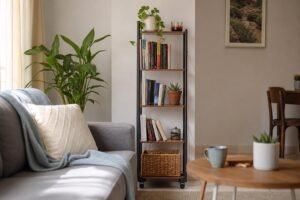
  • Living Room Storage Solutions That Actually Work

    Living room storage transforms how families relax and entertain. Most living rooms accumulate items without proper organization, creating cluttered spaces that feel cramped and unwelcoming. Strategic storage solutions maintain order while keeping living areas beautiful and functional.

    Why Living Room Storage Matters

    Living rooms serve multiple purposes in modern homes. They are entertainment spaces, relaxation areas, and often homework zones for children. Each function requires different items. Books pile on tables. Remote controls disappear between cushions. Throw blankets drape over furniture. Without organization, living rooms quickly become chaotic.

    Proper storage keeps living areas organized while maintaining their primary function as family gathering spaces. Well-organized living rooms feel larger, more inviting, and more enjoyable for spending time. Living room storage also improves family life. Finding items becomes quick rather than frustrating. Guests see organized spaces instead of clutter.

    Living Room Storage by Item Type

    Entertainment Center Organization

    Entertainment centers anchor many living rooms. They house televisions, gaming consoles, streaming devices, and countless cables and accessories. Without organization, these centers become cable nightmares.

    Organize your entertainment center by grouping related items. Keep gaming consoles together. Organize streaming devices in one section. Group cables by purpose using cable organizers. This approach prevents chaos.

    Book and Magazine Storage

    Many families maintain extensive home libraries. Books enhance living room aesthetics. However, books scattered randomly create visual clutter.

    Install floating shelves or use multipurpose adjustable racks for book storage. Organize books by category or color creating visual interest. Magazines require specific strategies. Use magazine holders keeping current issues visible while storing older ones. This organization maintains visual appeal while preventing paper clutter.

    Throw Blanket and Pillow Organization

    Living rooms accumulate throws and pillows for comfort and style. Without storage, these items drape chaotically over furniture.

    Use decorative storage baskets for throw blankets. Position baskets beside sofas making blankets accessible while keeping them contained. Choose basket colors complementing your living room design. Store excess pillows in under-bed storage containers during off-seasons. Rotate seasonal pillows maintaining visual freshness while keeping storage organized.

    Remote Control and Small Item Storage

    Remote controls, eyeglasses, phone chargers, and small items scatter throughout living rooms. These items need accessible storage.

    Use drawer dividers in coffee tables for remote controls and small items. Create designated spaces for each family member’s reading glasses and personal items. This organization supports daily living while maintaining order. Install wall-mounted organizers near seating areas for quick access to frequently needed items.

    Collections and Decorative Display

    Many families display collections in living rooms. Collections of figurines, artwork, or decorative items add personality to spaces. However, collections require proper organization.

    Install dedicated shelving for collections using multipurpose adjustable racks. Arrange items thoughtfully creating visual interest. Group similar items together for impact. Rotate seasonal decorations keeping your living room fresh throughout the year. Store off-season items in labeled bins making rotation simple and organized.

    Planning Your Living Room Storage

    Assess Current Items

    Begin by evaluating everything currently in your living room. What items serve no purpose? What clutter takes space? Be honest about what you actually use versus what just accumulates.

    Donate items you no longer enjoy. Discard broken items. Sell items you could use but truly don’t need. This purging process alone often creates substantial additional storage space.

    Identify Storage Needs

    After purging, identify remaining items requiring storage. Entertainment systems need accessible organization. Books deserve display space. Comfortable living requires throw blankets and pillows. Personal items need homes.

    List your storage priorities. What items must remain visible? What can store out of sight? Understanding your priorities guides storage solution selection.

    Choose Appropriate Storage Solutions

    Different items require different storage approaches. Entertainment equipment benefits from wall-mounted shelving or entertainment units. Books work beautifully on floating shelves or multipurpose racks. Textiles store nicely in storage baskets.

    Select storage solutions matching your living room style. Modern living rooms benefit from sleek metal racks and floating shelves. Traditional rooms work beautifully with wooden furniture and decorative storage baskets.

    Storage Solutions for Different Living Room Sizes

    Small Living Rooms

    Small living rooms require maximum efficiency. Every storage inch must earn its space. Use wall-mounted shelving maximizing vertical storage. Install floating shelves above furniture creating additional display and storage.

    Choose multipurpose furniture like storage ottomans providing seating and storage simultaneously. Coffee tables with drawers hide small items while providing surface space. Use slim storage carts or narrow shelving units fitting confined spaces. Organize ruthlessly keeping only items truly needed or deeply loved.

    Large Living Rooms

    Large living rooms can accommodate substantial storage furniture. Install comprehensive shelving systems creating library-like displays. Use entertainment units providing storage and display space.

    Create dedicated zones for different activities. One area for reading with bookshelves. Another for entertainment with organized TV storage. A third for collections and decorative display. Multipurpose adjustable racks work beautifully in large living rooms. Install multiple units creating comprehensive storage networks.

    Living Room Storage Aesthetic Considerations

    Matching Your Design Style

    Choose storage solutions complementing your living room design. Industrial metal racks suit contemporary living rooms. Wooden shelving works beautifully in traditional spaces. Scandinavian living rooms benefit from clean-lined, minimalist storage solutions.

    Color coordination matters. Neutral storage solutions adapt to any decor change. Colorful storage pieces become focal points in eclectic spaces.

    Creating Visual Interest

    Don’t hide all your items in closed storage. Combine open shelving with decorative displays. Books, plants, and decorative items on open shelves look beautiful while remaining organized.

    Vary heights and depths creating visual rhythm. Mix decorative items with functional storage creating balance.

    Maintaining Living Room Organization

    Regular Cleanup Schedules

    Schedule weekly living room tidying sessions. Return items to designated locations. Reorganize spaces as needed. This regular maintenance prevents chaos accumulation.

    Involve family members in cleanup routines. Assign each person responsibility for their items. This participation teaches organizational habits and ensures consistent maintenance.

    Seasonal Organization

    Rotate decorations seasonally maintaining visual freshness. Store off-season items in labeled bins. Bring out appropriate seasonal pieces updating your living room’s appearance.

    At beginning of each season, assess storage effectiveness. Adjust shelf heights if needed. Reorganize items for optimal access.

    Involve Family Members

    Living room organization requires family participation. Explain to family members where items belong. Make systems simple enough for children to maintain independently.

    Involve children in organization decisions. When they help organize, they take ownership of maintaining order. This participation develops lifelong organizational habits.

    Integration with Complete Home Organization

    Living room storage works best as part of comprehensive home organization. Pair living room shelving with bedroom storage, kitchen organization, and office systems. This integrated approach creates harmonious organization throughout your home.

    Use similar storage solutions throughout your home creating visual consistency. Multipurpose adjustable racks work beautifully in bedrooms, kitchens, offices, and living rooms. This consistency simplifies organization while creating cohesive home design.

    Transform Your Living Room

    Living room organization transforms how your family enjoys this central gathering space. Proper storage creates beautiful, functional living areas supporting relaxation, entertainment, and family connection.

    Start with one category. Perhaps organize your entertainment center creating a more functional system. Or install floating shelves displaying your book collection beautifully. Experience how organization transforms your living room.

    Your living room can become the organized, beautiful space your family deserves.

  • Study Room Organization for Students (Complete Guide)

    Study Room Organization for Students (Complete Guide)

    A dedicated study space transforms academic performance and learning efficiency. Students with organized study rooms spend more time studying and less time searching for materials. They experience less stress and maintain better focus. Parents recognize study room organization as an investment in their children’s academic success.

    Many students struggle with disorganized study spaces. Books pile on desks. Papers scatter everywhere. Supplies hide in various locations. Time that should go to studying gets spent searching for materials instead. Creating organized study rooms eliminates these distractions.

    Why Study Room Organization Matters for Students

    An organized study room supports academic success through multiple mechanisms. Reduced distractions improve focus and concentration. When everything has its place, students find materials quickly without breaking focus.

    small living room bookshelf

    Organization teaches valuable life skills. Students learning to organize study spaces develop organizational habits serving them throughout careers. These skills transfer to professional environments later in life.

    Physical health improves in organized study spaces. Proper desk organization supports good posture. Organized shelving keeps materials at appropriate heights. Students spend long hours studying, so ergonomic organization matters.

    Mentally, organized spaces reduce stress and anxiety. Cluttered environments create psychological burden. Students feeling overwhelmed by clutter perform worse academically. Organized spaces support mental clarity and focus.

    Beyond academics, organized study rooms increase property values and create positive impressions on family and friends. Students take pride in well-organized personal spaces.

    Essential Study Room Storage Solutions

    Desk Organization

    Desks serve as command centers for studying. They need adequate surface space for working. Beneath the desk, storage organizes supplies keeping them close but not on work surfaces.

    Drawer dividers organize pens, pencils, erasers, and small supplies. Overhead shelving keeps books and frequently needed materials accessible without consuming desk space. Vertical organizers beside desks hold papers and documents.

    A slim storage cart fits beside desks providing mobile storage for supplies. Roll it to the desk area when needed. Return it to create additional open space when not needed. This flexibility suits changing study needs.

    Bookshelves and Book Storage

    Students accumulate textbooks, reference books, and reading materials. Heavy-duty bookshelves hold textbooks safely. Multipurpose adjustable racks grow with students’ changing needs. Shelves adjust as book collections expand or shift.

    A book storage trolley provides mobile library rolling to study areas. Organize frequently read books for easy access. Less frequently needed reference materials occupy higher shelves.

    Color-code books by subject. Physics books on one shelf. History materials together. English texts organized separately. This organization helps students locate subjects quickly.

    Supply Organization

    Study supplies need accessible, organized storage. Pencils, pens, erasers, highlighters, sticky notes, and paper require containers keeping them organized.

    Small storage containers hold supplies organized by type. Label containers clearly. Clear containers let students see contents without opening them.

    A multipurpose adjustable rack provides shelving for supplies. Adjust shelf heights accommodating various container sizes. This flexibility supports changing supply needs.

    Paper and Document Organization

    Students generate countless papers, handouts, and study materials. Without organization, papers pile everywhere. Filing systems prevent this chaos.

    Use file folders organizing papers by subject or class. Label folders clearly. Store folders in file boxes on shelves. This system keeps papers organized and accessible.

    Paper organizers on desks collect current work. Use them to separate papers needing filing, completion, or reference.

    Wall-Mounted Organization

    Don’t overlook wall space. Wall organizers store supplies and information without consuming desk or shelf space. Pegboards mount above desks. Add hooks for headphones, bags, and hang-able items. Add shelves for books and supplies. Pegboards adapt as needs change.

    Bulletin boards display important dates, assignments, and reminders. Keep them updated ensuring students know upcoming deadlines.

    Wall-mounted shelves display trophies, awards, and achievements. These displays motivate continued academic effort.

    Planning Your Study Room Layout

    Assess Available Space

    Begin by evaluating your study room. What’s the available space? Where is natural light? Where are electrical outlets? Understanding your space guides storage placement.

    Measure room dimensions. Note windows, doors, and existing furniture. Plan how storage solutions fit your specific space.

    Determine Study Needs

    Different students need different setups. High school students studying for multiple subjects need comprehensive organization. College students with fewer but more advanced classes might need different systems. Customize your setup for your specific needs.

    Consider your study habits. Do you need quiet focus space? Are you a group study person? Design your room supporting your learning style.

    Create a Workspace

    Designate a specific desk or table for studying. This dedicated workspace signals study time to your brain. Other areas of your room are for relaxation. This separation improves focus and study quality.

    Desk should provide adequate working surface. An oversized desk isn’t necessary, but sufficient space for laptop, textbooks, and notes matters.

    Ensure Proper Lighting

    Natural light supports concentration and reduces eye strain. Position desks near windows when possible. Install desk lamps for evening study.

    Proper lighting prevents headaches and eye fatigue. Invest in quality lighting supporting extended study sessions.

    Organize by Subject or Class

    Keep materials for each subject together. All English materials grouped. History notes in separate location. Science supplies organized separately. This organization prevents mixing materials and supports efficient studying.

    Use different colors for different subjects. Color-coded folders and organizers help you locate materials quickly.

    Install Appropriate Storage

    Install shelving at appropriate heights. High shelves store occasional-use items. Lower shelves hold frequently needed materials. Don’t install shelves higher than you can comfortably reach.

    Multipurpose adjustable racks provide flexibility as needs change. Install wall-mounted organizers utilizing vertical space. Pegboards add customizable storage.

    Maintaining Study Room Organization

    Regular Cleanup Schedules

    Set weekly cleanup times. Organize papers. Return books to shelves. File completed work. Restore order after heavy studying.

    This regular maintenance prevents the chaos that develops when organization isn’t maintained. Thirty minutes weekly maintains organization.

    Study Session Routines

    Begin study sessions by organizing materials. End sessions by returning materials to storage. This routine prevents accumulation of papers and supplies.

    At the end of study sessions, file papers and return books. This habit maintains organization despite heavy studying.

    Seasonal Organization

    At the beginning of school years, reorganize study spaces. Remove materials from previous terms. File completed work away. Start fresh with new materials.

    Seasonal organization prevents accumulation of outdated materials and maintains focus on current studies.

    Creating Study-Friendly Atmosphere

    Beyond organization, study rooms should support focus and concentration. Minimize distractions. Keep phones out of reach. Close windows blocking noise.

    Decorate motivationally. Display inspirational quotes. Post achievement certificates. Create an environment supporting academic success.

    Plants add life to study spaces while improving air quality. They create calm, focused environments supporting concentration.

    Study Room Organization for Different Student Types

    High School Students

    High school involves multiple subjects. Organization must accommodate textbooks, notes, and supplies for various classes. Comprehensive shelving systems organize materials by subject. File systems keep papers organized.

    High school students should have desks large enough for laptops, textbooks, and note-taking. Overhead storage organizes reference materials.

    College Students

    College coursework involves fewer subjects but greater depth. Organization systems can be more specialized. Heavy-duty bookshelves hold advanced textbooks. Filing systems manage substantial papers and research materials.

    College students benefit from space for group study. A small seating area in addition to individual desk space supports collaborative learning.

    Graduate Students

    Graduate students often have specialized research areas. Storage must accommodate research materials, lab notebooks, and extensive references. Specialized filing systems organize complex materials.

    Dedicated desk space supporting long working hours becomes essential. Ergonomic organization prevents physical strain during extended study sessions.

    Special Needs Considerations

    Students with ADHD benefit from highly organized spaces. Visual organization through clear containers and labels supports ADHD management. Minimizing visual clutter reduces distractions.

    Students with anxiety find calm, organized spaces less stressful. Organizational systems reduce decision-making demands during study time.

    Students with visual impairments need accessible organization. Large labels and high-contrast colors support visibility. Accessible heights ensure items aren’t too high or low to reach.

    Technology Integration in Study Spaces

    Modern studying involves technology. Desks need space for laptops, tablets, and monitors. Cable organization prevents tangled cords and clutter.

    Charging stations keep devices accessible and organized. Designate drawer space for charging cables.

    Digital organization matters too. Create folder systems on computers mirroring physical organization. Organize digital files by subject and date. This organization supports efficient research and note review.

    Productivity in Well-Organized Study Rooms

    Well-organized study rooms transform academic performance. Students focus longer on actual studying rather than searching for materials. This focus improves comprehension and retention.

    Organization reduces test anxiety. Students confident in finding study materials approach exams less anxiously. Knowing exactly where materials are located provides psychological comfort.

    Academic improvement often follows study room organization. When students spend study time actually studying rather than organizing, grades improve. Parents notice these improvements.

    Success Stories

    Students implementing study room organization report dramatic improvements. Some note improved focus allowing them to study more efficiently, completing homework faster while maintaining quality. Others report reduced stress and anxiety around academic work.

    Teachers often notice improved preparation from organized students. Organized students complete assignments more consistently. They study more effectively for tests. Teachers recognize these improvements in academic performance.

    Your Path to Academic Success

    Study room organization represents an investment in academic success. The time spent organizing pays dividends through improved grades, reduced stress, and better focus.

    Start with your current space. Assess what’s working and what needs improvement. Implement storage solutions addressing your needs. Organize materials by subject. Create systems supporting your study habits.

    Your organized study room becomes your personal learning sanctuary. This space supports your academic goals and future success.

  • Garage Storage Organization Ideas (Complete Guide)

    Garages often become catch-all spaces where items accumulate without proper organization. Tools pile on shelves. Seasonal decorations fill corners. Sports equipment scatters across floors. The result is cluttered, unsafe spaces where you can’t find what you need. Professional garage storage organization transforms this chaos into functional, efficient spaces serving their intended purpose.

    Why Garage Organization Matters

    An organized garage provides enormous benefits beyond neatness. It increases safety by clearing floors of tripping hazards and properly storing dangerous items. It protects possessions from damage. Tools, seasonal items, and equipment stay safer when stored properly than when scattered randomly.

    Organization also saves money and time. Rather than purchasing duplicate tools you can’t find, organized storage helps you know exactly what you have. Valuable floor space becomes usable rather than wasted. Vehicles can actually park in garages rather than being displaced by stored items.

    For homeowners, garage organization increases property value. Potential buyers see organized garages as indicators of well-maintained homes. Beyond resale value, organized garages make daily life more convenient for current residents.

    Understanding Garage Storage Principles

    Successful garage organization follows clear principles. Start by categorizing items. Group tools together. Separate seasonal decorations. Organize sports equipment together. Store automotive supplies in one location. This categorization creates logical systems.

    Vertical storage matters enormously in garages. Most garages waste wall space that could provide valuable storage. Wall-mounted racks, pegboards, and shelving systems create massive storage capacity without consuming floor space. Vertical organization keeps frequently used items accessible while storing occasional-use items efficiently.

    Zone creation helps garages function smoothly. Create a tool zone with organized tools. Establish a seasonal storage area. Designate space for automotive supplies. Define a sports equipment zone. Zoning helps family members find items quickly and maintain organization consistently.

    Finally, accessibility matters. Store frequently used items at convenient heights. Tools needed for regular maintenance should be easy to reach. Occasional-use items can occupy higher shelves or less convenient locations. This accessibility principle ensures your system works practically.

    Garage Storage for Different Purposes

    Tool Organization

    Tools represent valuable investments requiring proper storage. Tools kept properly last longer and remain accessible when needed. Pegboards work wonderfully for hand tools. Mount pegboards on walls, adding hooks and shelves as needed. You see all tools at a glance and access them easily.

    For power tools, shelving systems protect them from floor moisture and dust. Install multipurpose adjustable racks creating flexible tool storage. As tool collections change, adjust shelves to accommodate. Mobile trolleys keep portable power tools organized and accessible.

    Larger tools like circular saws and impact drivers need dedicated storage. Install tool cabinets on walls preventing them from taking floor space. Label everything clearly so family members find correct tools without guessing.

    Seasonal Storage

    Most households store seasonal items in garages. Holiday decorations, winter clothing, summer sports equipment. Without proper organization, these items waste enormous space and become difficult to locate.

    Use clear, labeled bins for seasonal items. Shelving systems store bins efficiently. Stack bins taking advantage of vertical space. Labels on bins prevent searching through multiple containers looking for specific items.

    Create a seasonal rotation calendar. As seasons change, move appropriate items to accessible locations. Store off-season items on high shelves maximizing usable garage space.

    Automotive Supplies and Equipment

    Cars require maintenance supplies, spare parts, and equipment. Organize these items accessibly but safely. Create an automotive zone with shelves holding oils, filters, and supplies. Store dangerous chemicals safely away from children and pets.

    Metal kitchen trolleys work beautifully for automotive storage. They provide mobile storage for frequently needed supplies. Keep trolleys in garages near work areas for convenient access.

    Wall-mounted organizers store smaller automotive items efficiently. Batteries, fuses, and accessories organize neatly on wall racks. This keeps countertops and workbenches clear for actual projects.

    Sports Equipment Storage

    Bicycles, skateboards, scooters, and balls accumulate quickly in households with children. Without organization, they scatter across garage floors creating hazards and wasting space.

    Install wall hooks for bicycles, helmets, and hang-able equipment. Use vertical space rather than consuming floor area. Equipment organized on walls stays protected and accessible.

    For balls and equipment that won’t hang, use large storage bins. Stack bins creating vertical storage. Label clearly so children find equipment independently, supporting organization habits.

    Pegboards work well for sports equipment organization. Hang equipment you use regularly. Less frequently used items can occupy bins.

    Creating Effective Garage Storage Systems

    Wall-Mounted Solutions

    Wall space represents your greatest garage storage opportunity. Pegboards provide customizable, modular storage. Add hooks, shelves, and baskets as needed. Rearrange components when storage needs change. Pegboards remain incredibly flexible.

    Metal wall racks offer sturdy, industrial-style storage. They withstand heavy items and remain accessible for regular use. Install multiple racks creating comprehensive storage networks.

    Floating shelves provide cleaner aesthetics while serving storage functions. They work beautifully in modern garages. Shelves can display valuable tools or store items attractively.

    Corner utilization often gets overlooked. Corner shelves maximize this typically wasted space. Corner racks create storage in areas that would otherwise remain empty. Every corner represents usable storage real estate.

    Vertical Storage Systems

    Multipurpose adjustable racks transform garages. Install multiple racks creating comprehensive storage. Shelves adjust to accommodate various item sizes. As needs change, modify shelf heights without purchasing new furniture.

    Tall shelving units reach ceilings maximizing vertical space. Use high shelves for occasional-use items. Reserve lower, accessible shelves for frequently used items.

    Garage cabinet systems provide secure storage for valuable tools and supplies. Locking cabinets protect dangerous items from children. Organized cabinets keep tools protected from dust and moisture.

    Mobile Storage Solutions

    Metal multipurpose trolleys provide mobile garage storage. Store them in garages keeping supplies organized and accessible. Roll trolleys to work areas when needed. Return them to storage when finished.

    Slim storage carts fit narrow garage spaces providing mobile storage. They organize supplies while remaining flexible for various purposes.

    Floor-Level Organization

    Don’t neglect floor-level storage. Concrete floors require items that won’t rust or stain. Plastic storage bins work well on floors. Metal shelving units protect items from moisture.

    Designate parking space if your garage houses vehicles. Keep this area clear for its intended purpose. Don’t allow storage to consume parking space making it unusable.

    Step-by-Step Garage Organization Process

    Assess Current Situation

    Begin by evaluating your garage. What items currently occupy it? What needs organizing? What takes excessive space? What rarely gets used? Honest assessment reveals organizational priorities.

    Measure your garage space. Note wall dimensions, ceiling height, and existing fixtures. Understanding your space ensures storage solutions fit appropriately.

    Declutter and Purge

    The most important organizational step involves removing unnecessary items. Donate items no longer used. Discard broken tools and equipment. Get rid of duplicates. This purging process clears enormous space.

    Be honest about usefulness. If you haven’t used something in two years, you probably won’t use it. Exception items that are seasonal or emergency supplies. Otherwise, donate or discard.

    This purging process alone often creates sufficient space that additional storage solutions become unnecessary.

    Categorize Remaining Items

    After purging, categorize remaining items. All tools together. Seasonal items grouped. Sports equipment organized. Automotive supplies clustered. This categorization guides storage decisions.

    Determine frequency of use. Daily-use items need most accessible storage. Weekly or monthly use items should still be convenient. Occasional-use items can occupy less convenient locations.

    Plan Your Storage Layout

    Sketch your garage layout. Designate zones for different categories. Plan where wall storage will go. Identify wall space for pegboards, racks, and shelves. Plan floor-level storage locations.

    Consider traffic patterns. Keep frequently used items accessible without blocking pathways. Ensure everyone in your household can navigate safely.

    Install Storage Solutions

    Start with wall installation. Pegboards, racks, and shelves mount to walls freeing floor space. Follow installation instructions carefully ensuring secure mounting.

    Add shelving systems next. Multipurpose adjustable racks provide flexible storage adapting to your changing needs.

    Finally, add floor-level storage and mobile trolleys completing your system.

    Organize Items into Storage

    Once systems are installed, organize your categorized items. Place frequently used items at accessible heights. Store occasional-use items on higher shelves. Keep dangerous items properly contained.

    Label everything clearly. Labels ensure family members find items without searching. Labels also support maintaining organization long-term.

    Maintaining Garage Organization

    Regular Audits

    Schedule quarterly garage reviews. Check that items remain organized. Remove items that have accumulated. Reassess storage effectiveness.

    These regular audits prevent the chaos that develops when organization isn’t maintained. Fifteen minutes quarterly prevents large organization projects becoming necessary.

    Seasonal Adjustments

    As seasons change, rotate items. Move seasonal supplies to accessible locations. Store off-season items on higher shelves. This rotation maximizes usable space.

    Establish seasonal organization routines. When seasons change, take time organizing your garage to reflect current needs.

    Family Involvement

    Involve family members in garage organization. Explain systems so everyone understands. Help family members establish habits of returning items to proper locations.

    Children who help organize often maintain organization better than spaces they didn’t help create. Ownership supports consistent maintenance.

    Common Garage Organization Mistakes to Avoid

    Ignoring Vertical Space

    Don’t focus only on floor storage. Walls provide far more usable space than floors. Maximize vertical storage through shelving, pegboards, and wall racks.

    Overcrowding Spaces

    Don’t cram too much into any space. Items overstuffed into bins become difficult to access. Overcrowded shelves create hazards. Leave breathing room in your storage.

    Neglecting Safety

    Store dangerous items properly. Chemicals, power tools, and sharp objects need secure, safe storage. Keep these items away from children and pets.

    Ignoring Accessibility

    Don’t store frequently used items in difficult-to-reach locations. Accessibility matters practically. Convenient storage supports consistent use and maintenance.

    Failing to Label

    Don’t assume people will remember where items go. Clear labels ensure everyone finds and returns items properly. Labels support long-term organization maintenance.

    Transforming Your Garage

    Garage organization requires planning, effort, and appropriate storage solutions. Well-organized garages serve their intended purposes efficiently. Vehicles park safely. Tools remain protected and accessible. Seasonal items store properly. Sports equipment organizes beautifully.

    Start with one section. Perhaps the tool area needs immediate attention. Organize that zone, then move to the next section. This gradual approach allows refinement before organizing the entire space.

    Invest in appropriate storage solutions. Quality pegboards, adjustable racks, and shelving systems provide durability lasting years. These investments save money through improved safety and efficiency.

    Your garage can transform from chaotic storage space to functional, organized area supporting your household’s needs.

  • Wall-Mounted Storage Organizers for Small Spaces (Complete Guide)

    Wall-mounted storage transforms any room by maximizing vertical space and keeping floors clear. Most homes have empty wall space going unused when they could provide valuable storage. Wall organizers solve space constraints without consuming precious floor area. Whether you have a tiny apartment or simply want better organization, wall-mounted storage solutions offer elegant, functional answers.

    Understanding Wall-Mounted Storage Benefits

    Wall-mounted organizers work differently from traditional furniture. Rather than taking floor space, they utilize walls that would otherwise remain bare. This approach proves invaluable in small apartments where every square foot matters. It keeps living areas open and spacious while still providing substantial storage capacity.

    Wall storage also improves safety. Items stored on walls don’t create floor hazards or tripping dangers. This matters especially in homes with young children or elderly residents. Open floor space allows freedom of movement and creates safer living environments.

    Beyond practicality, wall-mounted storage adds aesthetic appeal. Organized wall displays become decorative features. Books displayed on floating shelves look attractive. Organized office supplies on wall racks create visual interest. Wall storage combines function with beauty when designed thoughtfully.

    Wall Storage for Different Rooms and Purposes

    Kitchen Wall Organizers

    Kitchens benefit enormously from wall-mounted storage. Install spice rack organizers on walls to keep frequently used seasonings visible and accessible. A wall-mounted 2-tier spice rack organizer keeps spices organized while freeing cabinet space for other items.

    Mount metal kitchen racks for storing oils, vinegars, and cooking supplies. Hang hooks for kitchen towels, utensils, and frequently used tools. Wall-mounted storage transforms kitchen functionality while creating visual interest.

    For small kitchens especially, wall organizers provide essential storage. Rather than crowded cabinets, items hang on walls within arm’s reach during cooking. This improves workflow and makes cooking more enjoyable.

    Bedroom Wall Storage

    Bedroom walls offer storage opportunities many people overlook. Install floating shelves for displaying books, photos, and decorative items. Wall-mounted organizers keep clothing accessories, jewelry, and everyday items accessible without consuming closet space.

    Hang hooks for bags, belts, scarves, and frequently worn items. This approach keeps these pieces visible and accessible rather than buried in drawers or closets. Your bedroom stays organized while items you use daily remain convenient.

    Bedroom wall storage works beautifully with collapsible wardrobes and multipurpose adjustable racks. Together, they create comprehensive clothing storage systems optimizing every inch of space.

    Bathroom Wall Organizers

    Bathroom walls provide valuable storage for toiletries, towels, and cleaning supplies. Wall-mounted metal bathroom organizers with multiple tiers maximize vertical space. These racks keep items organized while preventing moisture buildup that plagues closed cabinets.

    Install hooks for towels, robes, and bath accessories. Wall-mounted shelves hold extra towels, toiletries, and supplies. In small bathrooms, wall storage becomes essential for keeping surfaces clear and organized.

    Bathroom wall organizers prevent the cluttered countertop look common in many homes. Rather than bottles and containers scattered across surfaces, everything hangs organized on walls.

    Home Office Wall Storage

    Home offices need comprehensive organization. Install shelves above desks for reference books and frequently used supplies. Wall-mounted organizers keep pens, paper, and office supplies within arm’s reach while working.

    Floating shelves display awards, certificates, and professional items creating an impressive office environment. Wall-mounted file organizers keep important documents accessible. This wall-based approach keeps desks clear, supporting productive work environments.

    Living Room Wall Displays

    Living rooms can feature beautiful wall storage that becomes room focal points. Floating shelves display book collections, creating dramatic visual impact. Wall organizers showcase decorative items, family photos, and collections.

    For small living rooms, wall storage maximizes space while maintaining open-floor layouts. Rather than furniture consuming floor space, shelves mounted on walls provide storage and display.

    Types of Wall-Mounted Storage Solutions

    Floating Shelves

    Floating shelves offer clean, minimalist aesthetics. They appear to float on walls without visible supports, creating elegant appearances. Install them at varying heights to create visual interest. Use them for books, plants, decorative items, and functional storage.

    Floating shelves work well in modern, scandinavian, and contemporary decor styles. They’re versatile enough to suit various aesthetic preferences when styled thoughtfully.

    Wall Racks and Organizers

    Metal wall racks provide sturdy, industrial-style storage. They accommodate various item sizes and weights. Use them for kitchen organization, garage storage, or office supply organization. Their durability makes them ideal for heavier items.

    Plastic wall organizers suit bathroom and laundry storage. They resist moisture better than metal options, making them perfect for humid environments. Various compartments keep items organized and accessible.

    Pegboards and Modular Systems

    Pegboards offer customizable storage. Add hooks, shelves, and baskets as needed. Rearrange components as storage needs change. Pegboards work wonderfully in garages, craft rooms, and home offices. Their adaptability makes them ideal for evolving storage needs.

    Wall-Mounted Hooks and Hanging Systems

    Sometimes simple is best. Wall-mounted hooks organize items without complex systems. Hang bags, belts, scarves, kitchen tools, or towels on sturdy hooks. This accessible storage keeps frequently used items convenient.

    Multiple hooks create organized wall displays. Arrange them systematically for visual appeal and easy item identification.

    Planning Your Wall Storage System

    Assessing Available Space

    Walk through your home identifying unused walls. Corner walls work beautifully for storage. Walls opposite beds or desks offer practical storage. Kitchen walls between cabinets and appliances provide valuable real estate.

    Measure wall dimensions carefully. Note locations of outlets, light switches, and existing fixtures. This planning ensures your storage system works perfectly in available space.

    Determining Storage Needs

    Before purchasing, identify what you’ll store on walls. Do you need kitchen storage, office organization, or decorative display? Different storage purposes require different solutions.

    List items needing storage. Kitchen storage needs differ from bedroom organization. Office supplies differ from living room display needs. Clear understanding of requirements ensures appropriate system selection.

    Choosing Appropriate Heights

    Install frequently accessed items at eye level. Reaching down or stretching up creates inconvenience, so reserve those heights for occasional-use items.

    For safety, install higher shelves away from head-bumping heights. Ensure lower installations won’t create trip hazards or block walkways.

    Ensuring Proper Installation

    Wall-mounted storage must be securely installed. Identify studs in walls for the strongest mounting. Use appropriate anchors for drywall installations. Never mount heavy items on drywall anchors alone.

    Follow manufacturer instructions carefully. Proper installation prevents accidents and ensures systems function safely for years.

    Style and Aesthetic Considerations

    Matching Your Decor

    Choose wall storage styles complementing your existing decor. Industrial metal racks suit contemporary and industrial interiors. Wooden floating shelves work beautifully in traditional homes. Sleek plastic organizers suit modern spaces.

    Color matters too. White shelves create clean, minimalist looks. Black racks add contemporary sophistication. Natural wood provides warmth. Consider your color scheme when selecting wall storage.

    Creating Visual Interest

    Avoid monotonous arrangements. Vary shelf heights creating visual rhythm. Mix functional storage with decorative displays. Alternate between books, plants, and personal items on shelves.

    Group items intentionally. Three plants clustered together look more balanced than scattered individuals. Odd numbers of display items generally look more sophisticated than even arrangements.

    Combining Function and Beauty

    Wall storage doesn’t mean purely utilitarian appearance. Style your displays thoughtfully. Books standing upright beside a potted plant create visual interest. Organized storage boxes in coordinating colors look attractive rather than chaotic.

    Beautiful wall storage motivates continued organization. When spaces look good, people maintain order more consistently.

    Practical Installation Tips

    Tools and Materials Needed

    Gather appropriate tools before starting. A stud finder helps locate wall studs. A level ensures shelves hang straight. A drill, drill bits, and appropriate anchors enable secure installation.

    Quality matters for mounting hardware. Don’t skimp on brackets and fasteners. These components support your storage system’s safety and longevity.

    Installation Process

    Start by marking shelf locations. Use a level ensuring horizontal installation. Pre-drill holes preventing drywall damage. Install brackets securely before adding shelves.

    For heavier systems, hire professional installers. The cost justifies itself through proper installation ensuring long-term function and safety.

    Loading and Weight Distribution

    Once installed, distribute weight evenly. Don’t load one area heavily while leaving others empty. Uneven loading can cause shelves to sag or pull away from walls.

    Respect weight limits. Floating shelves have maximum weight capacities. Overloading compromises safety and damages walls. Understand your system’s limits before loading heavily.

    Wall Storage for Small Apartments

    Maximizing Limited Space

    Small apartments require comprehensive storage strategies. Use walls throughout the apartment. Kitchen walls, bedroom walls, bathroom walls, and living room walls all offer storage opportunities.

    Install shelves from floor to ceiling maximizing vertical space. Stack storage creating multiple layers. Corner spaces shouldn’t go unused. Every wall presents storage potential.

    Creating the Illusion of Space

    Wall-mounted storage keeps floors clear creating the illusion of larger spaces. Clutter-free floors make apartments feel more spacious than they are. Wall organization maintains this openness while providing necessary storage.

    Light colors on walls and shelves enhance spacious feelings. Dark storage can make small spaces feel cramped. Choose colors supporting your spatial design goals.

    Organization Strategies for Wall Storage

    Categorizing Items

    Group like items together on walls. Keep kitchen supplies clustered. Office materials organized together. Bedroom accessories in one area. This organization makes finding items easier and creates visual coherence.

    Clear Labels

    Label wall storage so family members find items easily. Use consistent labeling systems. Clear, readable labels prevent confusion and support maintenance of your organization.

    Regular Maintenance

    Wall storage requires periodic attention. Dust shelves regularly. Check that items remain organized. Remove items no longer used. Regular maintenance keeps systems functioning beautifully.

    Combining Wall Storage with Other Solutions

    Wall storage works best as part of comprehensive organization. Pair wall-mounted spice organizers with kitchen trolleys. Combine bedroom wall hooks with multipurpose adjustable racks. Integrate bathroom wall organizers with under-sink storage.

    This layered approach creates complete organization addressing all storage needs while maximizing space efficiency.

    Wall Storage Safety Considerations

    Secure Installation Priority

    Never skip proper installation. Falling items cause injuries and property damage. Ensure all wall storage hangs securely with appropriate fasteners for your wall type.

    Child Safety

    If you have young children, install wall storage out of reach or ensure very secure fastening. Heavy items shouldn’t hang where children can access them. Keep dangerous items out of child-accessible areas.

    Regular Safety Checks

    Periodically verify wall storage remains secure. Check for signs of loosening or pulling away from walls. Address issues immediately before accidents occur.

    Transforming Your Space with Wall Storage

    Wall-mounted storage offers elegant, space-efficient solutions for homes of all sizes. Whether addressing small apartment limitations or simply wanting better organization, wall storage provides answers. Combined with other storage solutions like multipurpose racks and mobile trolleys, wall organizers create comprehensive systems supporting organized, beautiful living spaces.

    Start with one wall. Install appropriate storage for your needs. Experience the organization and space benefits wall storage provides. Once you see the transformation, you’ll likely add wall storage throughout your home, creating the open, organized spaces you’ve desired.

  • Kids Room Storage Solutions for Growing Families (Complete Guide)

    Children accumulate toys, books, clothes, and school supplies at remarkable rates. Most parents struggle to keep kids rooms organized. Toys spread across floors. Clothes overflow from closets. Books pile in corners. Smart kids room storage solutions transform chaotic spaces into functional, safe environments where children can play and learn comfortably.

    Why Kids Room Storage Matters

    An organized kids room provides enormous benefits beyond neatness. It keeps children safe by clearing floors and preventing tripping hazards. Organization teaches children responsibility as they learn to put items away. It teaches decision-making skills as they choose between toys. Clean spaces support better sleep and reduce stress for both children and parents.

    Kids room organization becomes increasingly important as children grow. Toddlers need toy storage within reach. School-age children need homework spaces and supply organization. Teenagers need wardrobe storage and shelving for collections.

    The challenge lies in creating storage systems that work for growing, changing children. Solutions must accommodate increasing amounts of possessions while supporting development at each age.

    Creating Age-Appropriate Kids Room Storage

    Storage for Toddlers and Young Children

    Young children need accessible, safe storage. Shelving should be low enough for toddlers to reach independently. Multipurpose adjustable racks set at low heights work perfectly for this age group. They allow children to access toys without assistance while keeping items organized.

    Use large, labeled storage bins so children can easily return toys to proper locations. Bins should be lightweight enough for children to manage. Avoid small containers with removable lids that present choking hazards.

    Keep frequently played toys at accessible levels. Rotate other toys into storage, bringing them out periodically. This reduces clutter while maintaining novelty and interest.

    Storage for School-Age Children

    School-age children accumulate larger collections of toys and need space for school supplies. Install adjustable shelving at heights children can access. A multipurpose adjustable rack serves this age group perfectly, allowing shelves to accommodate various item sizes.

    Create a homework station with storage for pens, pencils, paper, and school materials. A small multipurpose trolley provides mobile storage that rolls under desks or to the study area as needed.

    Organize by category. All building blocks together. Sports equipment grouped. Art supplies contained. School supplies in a separate section. This organization teaches children to maintain order and find items independently.

    Storage for Teenagers

    Teenage rooms need sophisticated organization systems. Wardrobes expand significantly, requiring proper closet organization and possibly additional clothing storage. A collapsible wardrobe fabric cabinet provides expandable clothing storage without consuming permanent space.

    Teenagers collect music, sports equipment, hobby supplies, and school materials requiring comprehensive storage solutions. Install shelving for collections and display items. Use a multipurpose adjustable rack system to create flexible storage accommodating changing interests.

    Provide attractive storage options. Teenagers care about room aesthetics more than younger children. Well-designed storage that looks good motivates them to maintain organization.

    Essential Kids Room Storage Solutions

    Multipurpose Adjustable Racks

    A multipurpose adjustable rack is perhaps the most versatile kids room storage solution. Shelves adjust to accommodate various item sizes. Install one rack for toys, another for books. Stack racks in corners to maximize vertical space.

    These racks grow with children. As needs change, shelves adjust without purchasing new furniture. The mobility means you can rearrange room layout as children grow or preferences shift.

    Collapsible Wardrobes

    Collapsible fabric wardrobes solve clothing storage challenges without consuming permanent space. Expand them to full size when your child’s wardrobe grows. Collapse them when they need closet space for other items. This flexibility serves growing children beautifully.

    Use collapsible wardrobes to store seasonal clothing, off-season items, or additional outfits. They’re lightweight enough for children to help with clothing organization.

    Storage Trolleys and Mobile Carts

    Mobile storage trolleys adapt to various purposes. Use them as toy storage that rolls under beds. Use them as art supply organization rolling to activity areas. Use them as homework station supply carts.

    Slim storage carts fit narrow spaces while providing multiple shelves. Metal multipurpose trolleys handle heavier items like books and sports equipment. The mobility means parents and children can reorganize rooms easily.

    Vertical Shelving Systems

    Install shelves from floor to ceiling to maximize space. Tall shelving creates impressive storage capacity in compact rooms. Use high shelves for display and occasional-use items. Reserve child-accessible heights for everyday items.

    Metal kitchen trolleys serve as mobile shelving units for kids rooms. They stack vertically, creating much more storage than floor-level toys.

    Corner Utilization

    Don’t waste corner space in kids rooms. Install corner shelves for books and decorative items. Place multipurpose racks in corners. Use corner spaces for creating reading nooks with built-in storage.

    Corner shelves work beautifully for displaying collections teenagers want to showcase. They don’t consume valuable floor space while creating impressive display areas.

    Organizing by Category

    Toy Organization

    Group toys by type. All action figures together. Building toys in separate bins. Vehicles grouped together. Baby dolls and accessories organized together. This categorization makes cleanup faster and helps children find what they want.

    Use clear bins for toy storage so children see contents without opening containers. Label containers clearly. This supports organization habits and prevents frustration searching for specific toys.

    Book Storage

    Kids accumulate books quickly. Install shelves specifically for books. Low shelves hold picture books for young children. Higher shelves accommodate growing book collections for older children.

    Display favorite books front-facing to encourage reading. Store remaining books spine-out to maximize space. A small book storage trolley provides mobile library that rolls to reading areas.

    Sports Equipment and Games

    Sports equipment needs dedicated storage. Hockey sticks, bats, balls, and protective gear require appropriate containers. Use tall bins for vertical storage of sports equipment. Hang equipment on wall-mounted hooks when possible.

    Keep games organized in clear containers showing what’s included. Label games so children can find them independently.

    School Supplies

    Establish a supply station with organized storage. Pencils, pens, erasers, notebooks, and paper need dedicated containers. A small metal multipurpose trolley works perfectly as mobile supply storage rolling to homework areas.

    Keep supplies in consistent locations. Children learn where to find items they need for schoolwork.

    Clothing Organization

    Even for young children, organized clothing storage matters. Install lower rods in closets for child-accessible hanging space. Use labeled bins for underwear, socks, and smaller items. Shelves hold folded clothing at child-accessible heights.

    For older children and teenagers, organizing by type (shirts, pants, skirts) or color makes dressing easier and encourages organization habits.

    Creating Safe, Functional Spaces

    Safety Considerations

    All storage should be stable and properly secured. Wall-mounted shelves need appropriate anchors supporting their weight. Freestanding multipurpose racks should have wide bases preventing tipping. Never install heavy items on high shelves where they could fall on children.

    Keep dangerous items completely away from storage children access. Tools, medications, and sharp objects belong only in adult-controlled storage areas.

    Encourage participation without burden. Children should help organize and maintain their spaces, but parents shouldn’t expect flawless organization. Appreciate effort even if spaces aren’t perfectly neat.

    Aesthetic Considerations

    Include your child in design decisions. Let them choose storage bin colors or shelving styles. When children help decide on organization, they’re more likely to maintain it.

    Use storage creatively. Paint multipurpose racks in favorite colors. Choose decorative storage bins. Install string lights above shelves. Make storage visually appealing rather than purely functional.

    Create a space children enjoy spending time in. An appealing, organized room encourages children to spend quiet time reading, playing, or doing homework.

    Practical Organization Tips

    Rotate Toys and Collections

    Keep all toys accessible at once. Instead, rotate collections every few weeks. Store some toys, bringing others out to maintain interest. This strategy reduces visible clutter while keeping children engaged with their possessions.

    Rotation also extends toy life. Children returning to toys after time away often rediscover interest in items they previously tired of.

    Establish Cleanup Routines

    Set expectations for daily cleanup. Before bed, children put toys away. Before moving to another activity, previous toys get organized. Consistent routines become habits requiring less effort over time.

    Make cleanup enjoyable with timers, music, or turning it into games. When cleanup feels fun rather than punitive, children develop positive organization habits.

    Storage Furniture as Growing Investment

    Rather than replacing storage repeatedly, invest in systems that grow with children. A multipurpose adjustable rack system works from toddlerhood through teenage years. Collapsible wardrobes adapt to changing clothing needs. Mobile trolleys serve multiple purposes across years.

    This approach saves money while providing continuity. Children develop familiarity with their organization systems rather than constantly adapting to new storage.

    Regular Purging and Assessment

    Every season, evaluate what children actually use. Donate toys they’ve outgrown. Discard broken items. This prevents accumulation of unused possessions.

    Involve children in this process. Let them decide what to donate. This teaches valuable lessons about consumption and organization while making room for new interests.

    Practical Steps to Implement Kids Room Storage

    Start with one storage area. Perhaps the toy corner needs immediate attention. Purchase storage solutions, organize that space, then evaluate results. This approach allows refinement before investing in comprehensive systems.

    Work with your child during organization. Explain why organization matters. Get input on preferred storage methods. Make it collaborative rather than something imposed upon them.

    Invest in durable, versatile storage that grows with your child. Quality multipurpose racks, mobile trolleys, and adjustable shelving serve children for years while adapting to changing needs.

    Kids room organization reduces stress for parents and children. Organized spaces teach responsibility, reduce safety hazards, and create environments where children can focus on learning and play. With proper storage solutions and systems, maintaining clean, organized kids rooms becomes manageable and sustainable.

  • Pantry Organization System That Actually Works (2026 Guide)

    An organized pantry saves time, reduces food waste, and makes cooking more enjoyable. Many households struggle with pantry chaos. Items disappear into the back. Expired products accumulate. Labels fade. Building an effective pantry organization system transforms this common problem into a functional, beautiful space.

    The Pantry Organization Challenge

    Most Indian households store dry goods, snacks, spices, and cooking supplies in kitchen cabinets and dedicated pantry spaces. Without proper organization, these areas become messy and inefficient. You waste time searching for ingredients. You buy duplicates because you can’t find what you already have.

    A well-organized pantry works differently. Everything has its place. You see all items at a glance. Cooking becomes faster because ingredients are easily accessible. You save money by knowing what you have before purchasing.

    Understanding Pantry Organization Principles

    Successful pantry organization follows clear principles. Start with categorization. Group similar items together. All spices in one location. All baking supplies clustered. All canned goods organized by type. This system ensures you always know where to find things.

    Next comes containment. Store items in airtight containers and clear boxes. This keeps food fresh, prevents pest issues, and makes visibility easier. Label everything clearly so family members find items without searching.

    Vertical space utilization matters enormously. Use shelves, stackable containers, and wall-mounted racks to maximize every inch. Vertical storage adds significantly more capacity than horizontal arrangements.

    Finally, maintain your system. Set a monthly schedule to check expiration dates, discard unused items, and reorganize as needed. An organized pantry requires minimal ongoing effort if you establish good habits.

    Step-by-Step Pantry Organization Process

    Step One: Empty and Clean

    Start by removing everything from your pantry. This sounds extreme but it’s essential. As items come out, discard anything expired. Throw away opened packages with stale contents. Clean shelves thoroughly with appropriate cleaning products.

    This process takes time but creates a fresh start. You’ll be surprised how much space you reclaim simply by removing items you’re not using.

    Step Two: Categorize Everything

    Sort items into clear categories. Create groups for spices, baking supplies, canned goods, pasta, rice, breakfast cereals, snacks, cooking oils, and sauces. Some items might go together if space allows. Others warrant separate locations.

    Don’t create so many categories that organization becomes complicated. Five to eight main categories typically work best for most households.

    Step Three: Invest in Storage Containers

    Purchase clear, airtight containers in various sizes. Invest in good quality containers because they’ll hold heavy items like flour and sugar for years. Label containers with the contents and purchase date. This prevents confusion and helps identify expired items.

    For smaller items, use tiered spice rack organizers that keep spices visible and accessible. A 2-tier spice rack organizer is ideal for most kitchens. It keeps spices organized while saving cabinet space.

    Step Four: Install Storage Solutions

    Install shelves or racks if your pantry lacks adequate storage. A multipurpose adjustable rack provides flexible shelving that accommodates various item sizes. Stack shelves vertically to create more capacity without expanding the footprint.

    Metal kitchen trolleys work wonderfully for pantry storage. Use them to create additional shelving, then roll them into the pantry. This provides mobile storage that adapts to your changing needs.

    For items stored at higher levels, install hooks or hanging racks. Bags of pasta or rice hang efficiently, freeing shelf space for other items.

    Step Five: Organize by Frequency

    Place frequently used items at eye level for easy access. Reaching down or stretching up takes extra effort, so reserve upper and lower shelves for occasional-use items.

    Oils, salt, and commonly used spices should sit within arm’s reach. Specialty ingredients or occasional-use items can occupy less convenient locations.

    Step Six: Maintain Regular Order

    Once organized, maintain your system. Set a monthly schedule to clean and reorganize. Remove items approaching expiration dates. Consolidate half-empty containers. Wipe shelves clean.

    This preventative maintenance takes perhaps thirty minutes monthly but prevents the chaos that develops when organization isn’t maintained.

    Pantry Organization for Different Kitchen Types

    Small Kitchen Pantries

    Small kitchens need maximized efficiency. Use clear, stackable containers to reduce bulk. Install tall, narrow shelving units that fit compact spaces. A slim storage cart with wheels provides mobile pantry storage that tucks away when not needed.

    Wall-mounted racks above counters work beautifully in small kitchens. Hang frequently used oils, spices, and cooking supplies. This frees valuable cabinet space while keeping items visible.

    Large Pantry Spaces

    Larger dedicated pantries allow more elaborate organization. Install multiple shelves, categorize extensively, and use various storage types. A metal multipurpose trolley creates movable storage for bulk items. Corner shelves utilize typically wasted corner space.

    Large pantries benefit from station-based organization. Create a baking station with all baking supplies clustered together. Have a breakfast station with cereals, oats, and breakfast items grouped nearby.

    Pantry Shelving Solutions

    Metal kitchen shelving provides durability and strength for heavy items like large jars and canned goods. Adjustable shelves accommodate items of varying heights. Install shelves at depths that suit your storage needs.

    Wooden shelves suit traditional kitchens and add warmth. They work well for displaying attractive containers and organized goods as decorative kitchen elements.

    Using Spice Rack Organizers in Pantries

    A 2-tier spice rack organizer transforms spice storage. Rather than searching through cabinets for spices, they sit visible and accessible on a compact organizer. Spices stay fresher because they’re not forgotten in dark cabinets.

    Place spice racks near prep areas where you cook most often. This reduces cooking time by eliminating the need to search for seasonings.

    Kitchen Trolleys for Pantry Organization

    Metal kitchen trolleys work excellently as mobile pantry solutions. Fill them with frequently used items, then roll them to your prep area when cooking. Return them to the pantry when finished.

    Use trolley shelves to organize by meal type or cuisine. One shelf holds Asian cooking supplies. Another holds Italian ingredients. This organization method suits those who cook varied cuisines regularly.

    Labeling Systems for Pantry Organization

    Create clear, consistent labeling. Use a label maker to produce professional-looking, durable labels. Include item names and purchase dates. This clarity prevents mistakes and helps identify items approaching expiration.

    For containers, label both the front and spine so you can identify contents whether looking straight-on or at shelf level.

    Color-code by category if it helps. Red labels for spices, blue for grains, green for baking supplies. Visual organization speeds item location significantly.

    Preventing Common Pantry Problems

    Expired Items Accumulating

    Set expiration date alerts on your phone. Check pantries quarterly. Create a system where older items move forward and newer purchases go to the back. This prevents items from being forgotten and going bad.

    Items Getting Lost in Back

    Use shelf dividers or containers to create sections. Never store items more than three items deep. Shallow storage ensures you always see everything. Remove items needing to go deeper by thinning stock or using them in upcoming meals.

    Pests and Contamination

    Keep pantries cool and dry. Airtight containers prevent pest access and keep items fresher longer. Store items in dark cupboards or with cupboard doors closed. Light exposure degrades quality and attracts some pests.

    Losing Track of Quantities

    Before shopping, take time reviewing pantry contents. Know how much flour, oil, and sugar you have. This prevents buying duplicates and helps plan meals around existing supplies.

    Creating Your Ideal Pantry Organization System

    Every household’s ideal pantry differs based on cooking styles, family size, and preferences. Experiment with different organizational methods. Try various container types and sizes. Adjust shelf heights as you discover what works best.

    Keep a notebook of your organization system. Record container sizes, quantities of staple items to maintain, and categories you’ve created. This reference helps if someone new needs to find items or restocking supplies.

    Your pantry organization system should feel natural to use. If it requires constant effort to maintain, it won’t work long-term. Create systems that feel intuitive and simple to your household.

    Pantry Organization as Ongoing Process

    Pantry organization isn’t a one-time project. It’s an ongoing process of refinement. As your cooking style evolves, your pantry should adapt. New family members might have different dietary needs. Seasonal cooking preferences shift.

    Stay flexible. Review your system every few months. Make small adjustments rather than overhauls. This keeps your pantry functioning optimally without requiring major reorganization efforts.

    An organized pantry makes cooking convenient and enjoyable. When everything sits in its proper place, you spend less time searching and more time creating delicious meals.

  • Corner Shelf Storage Ideas for Small Spaces (Complete Guide)

    Corner shelves are one of the smartest storage solutions for modern homes. They make use of dead space that would otherwise go unused, helping you maximize storage while minimizing floor space. Whether your home is small or you simply want better organization, corner shelves offer practical storage in every room.

    Introduction to Corner Shelf Storage

    Every home has corners. Bedrooms, living rooms, kitchens, and bathrooms all have corners that often remain empty. Corner shelves transform these overlooked spaces into functional storage areas. They’re ideal for displaying plants, organizing books, storing kitchen supplies, or keeping bathroom essentials organized.

    The beauty of corner shelves lies in their versatility. They work in tight spaces where traditional furniture won’t fit. They’re affordable, easy to install, and come in countless styles to match your home decor.

    Why Corner Shelves Work Better Than Traditional Storage

    Traditional furniture takes up considerable floor space. A bookcase needs 2-3 feet of width. A cabinet occupies similar space. Corner shelves, however, only use the vertical corner area. This makes them perfect for small apartments and homes with limited square footage.

    Corner shelves also create visual interest. Rather than leaving corners bare, they add character and personality to a room. You can display decorative items, photographs, or functional storage containers.

    For small apartment dwellers, corner shelves are essential. They solve storage problems without adding bulk to living spaces. Combined with other storage solutions like multipurpose racks and slim storage carts, corner shelves create a complete organization system.

    Corner Shelves for Different Rooms

    Bedroom Corner Shelves

    Bedrooms benefit greatly from corner shelf storage. Use bedroom corners to store books, display photos, or keep seasonal items. A corner shelf above a nightstand creates additional surface without taking floor space. Corner shelves in bedroom corners can hold bedding supplies, decorative boxes, or personal collections.

    Pair corner shelves with a multipurpose adjustable rack for comprehensive bedroom organization. The combination creates substantial storage capacity without making the room feel cramped.

    Living Room Corner Shelves

    Living rooms are perfect for decorative corner shelves. Display indoor plants, family photos, or collectibles. Corner shelves above side tables create display space for books and magazines. In living room corners, shelves add architectural interest while serving functional purposes.

    Corner shelves work well in living room areas that receive natural light, showing off decorative items beautifully.

    Kitchen Corner Shelves

    Kitchen corners often waste valuable real estate. Corner shelves transform these areas into spice storage, pantry overflow, or dish display areas. Small kitchens especially benefit from corner shelves that don’t interfere with cabinet or appliance placement.

    Install corner shelves above corner countertops or in kitchen corners to store spices, cooking oils, or frequently used supplies. Combined with kitchen trolleys and spice rack organizers, corner shelves create efficient kitchen storage systems.

    Bathroom Corner Shelves

    Bathroom corners are perfect for storage without eating into limited space. Install corner shelves to store towels, toiletries, or cleaning supplies. They work well in compact bathrooms where every inch counts.

    Corner shelves keep bathroom surfaces clear and organized. They prevent moisture buildup better than closed cabinets, making them ideal for humid environments. Pair them with under-sink organizers and metal bathroom racks for complete bathroom organization.

    Choosing the Right Corner Shelf Style

    Material Options

    Corner shelves come in multiple materials. Wood shelves offer classic, warm aesthetics. Metal corner shelves provide modern, minimalist styling. Glass shelves create elegant, floating appearances. Plastic shelves are affordable and lightweight.

    Choose materials that match your existing decor. A wood corner shelf works best in traditional homes. Metal shelves suit modern, industrial spaces. Glass works with contemporary or scandinavian-style interiors.

    Size Considerations

    Corner shelves range from narrow 6-inch widths to spacious 24-inch widths. Small corner shelves work for displaying plants or a few books. Larger corner shelves handle heavier items like kitchen supplies or decorative boxes.

    Measure your corner space carefully before purchasing. Shelves should fit snugly without protruding into room traffic patterns.

    Installation and Weight Capacity

    Most corner shelves are wall-mounted, requiring drilling and anchors. Ensure your walls can support the weight. Drywall anchors hold lighter items. Studs support heavier shelves.

    Consider weight capacity when loading shelves. Heavy books, kitchen supplies, and decor items add up quickly. Distribute weight evenly across the shelf surface.

    Organizing Your Corner Shelves

    Practical Organization Strategies

    Start by grouping like items together. Kitchen supplies should cluster on one shelf. Bedroom books on another. Bathroom items separate from decorative pieces.

    Use storage boxes or baskets on corner shelves to contain smaller items. This creates visual order while maximizing usable space. Clear containers let you see contents without opening boxes.

    Styling Corner Shelves Aesthetically

    Mix functional and decorative items. Alternate between practical storage boxes and display pieces. A bookshelf looks better when books stand upright alongside a potted plant or framed photograph.

    Vary shelf heights if you’re installing multiple shelves. Odd numbers of items (3, 5, 7) look more balanced than even arrangements.

    Keep shelves from looking cluttered. Corner shelves serve dual purposes: storage and display. Avoid cramming every inch with items. Empty space creates visual breathing room.

    Combining Corner Shelves with Other Storage Solutions

    Corner shelves work best as part of comprehensive home organization. Pair them with multipurpose racks for bedroom storage. Combine kitchen corner shelves with metal kitchen trolleys and spice rack organizers for complete kitchen solutions.

    In bathrooms, coordinate corner shelves with metal bathroom organizers and under-sink storage solutions. For living rooms, integrate corner shelves with slim storage carts that provide mobile storage.

    This layered approach to storage creates functional, organized spaces while maintaining attractive aesthetics.

    Professional Corner Shelf Styling Tips

    Designers recommend the rule of three: group items in sets of three on corner shelves. Three books, three decorative boxes, three plants. This creates visual harmony.

    Keep items at varying heights. Tall items in back, shorter pieces in front. This prevents the shelves from looking flat or one-dimensional.

    Incorporate your color scheme. If your room features blues and whites, choose storage containers matching these colors. Coordinated styling creates sophisticated, designed interiors.

    Maintenance and Care

    Dust corner shelves regularly. Shelves accumulate dust more quickly due to vertical positioning. Use soft cloths to avoid scratching finishes.

    Check wall anchors periodically. Shelves bearing weight sometimes loosen over time. Tighten anchors if shelves start sagging.

    Wipe spills immediately, especially in kitchens and bathrooms. Water damage compromises shelf integrity and can stain surfaces.

    Getting Started with Corner Shelf Storage

    Begin with one corner in the area needing most organization. Install shelves, organize items, then evaluate results. This approach lets you refine your storage system before committing to multiple installations.

    Visit local home improvement stores or online retailers for corner shelf options. Measure your space, choose appropriate styles, and start your organization journey.

    Corner shelves represent affordable, effective storage for homes of all sizes. They solve space limitations while adding visual interest to rooms. Combined with other storage solutions, corner shelves create comprehensive organization systems that work beautifully.

  • Home Office Organization for Small Workspaces (Complete Setup)

    Home Office Organization for Small Spaces: Complete Productivity Setup

    My home office was chaos. Cables everywhere. Papers piled on the desk. Books stacked on the floor. My productivity was suffering because I couldn’t focus—the visual mess was too overwhelming.

    I couldn’t move to a bigger space, so I had to work with 60 square feet.

    Then I organized it properly. Not just tidying—creating a system that supported focus and productivity.

    Within a week, I was noticeably more productive. The mental load of "where is that file?" disappeared. I could actually think clearly instead of being overwhelmed by clutter.

    Here’s the system I built.

    The Small Home Office Problem

    Remote workers in small spaces face specific challenges:

    Everything is visible. Your bedroom and office are the same space. You can never truly leave work mentally.

    Cables are a nightmare. Internet, phone, laptop chargers all tangled.

    No separation zones. Work area bleeds into relaxation area.

    Storage is limited. You need to fit a desk, chair, shelves, AND storage in tiny space.

    Distractions abound. Visual clutter kills focus.

    I experienced all of this. My home office was making me less productive despite being at home.

    The Three-Zone System

    I reorganized into three zones:

    Zone 1: Work Surface — Desk clear except for current project

    Zone 2: Active Storage — Immediate reach (files, supplies, reference materials)

    Zone 3: Archive — Backup items not needed daily

    This ensures your workspace stays clear while everything you need is accessible.

    Zone 1: The Clear Desk (Work Surface)

    What lives on your desk:

    • Computer/laptop
    • One pen cup (pens, pencils only)
    • Phone (if using for work)
    • Current project/file you’re working on
    • One mug/water bottle

    Everything else: Off the desk or in drawers.

    Why: A clear desk = a clear mind. Visual clutter prevents focus.

    How to maintain:

    • At end of day, clear desk completely
    • File away anything not immediately needed
    • Only current project visible

    Storage under desk:

    • A slim storage cart for frequently-used supplies
    • Rolling drawers for pens, sticky notes, small items

    Zone 2: Active Storage (Arm’s Reach)

    What goes here:

    • Files you reference regularly
    • Supplies you use weekly (notepads, pens, paper)
    • Reference materials (documents, book you’re reading)
    • Tech supplies (chargers, cables organized)

    How to organize:

    • Vertical filing: Upright file organizer on shelf, not stacked flat
    • Labeled boxes: So you know what’s inside
    • Cables organized: Velcro ties or cable organizers
    • Supply cup: One cup for pens/pencils (limits quantity)

    Storage solution:

    Key: Everything within arm’s reach from desk (maximum 1 meter away).

    Zone 3: Archive (Less Frequent Access)

    What goes here:

    • Completed projects (but need to keep)
    • Backup supplies (extra notepads, pens)
    • Reference materials you occasionally need
    • Old files (but not currently active)

    How to organize:

    • Labeled storage boxes (clear bins if possible)
    • Organized on shelf or in closet
    • Indexed system so you can find what you need

    Rule: If it’s not referenced monthly, it belongs in Zone 3.

    Cable Management: The Real Problem

    Cables destroy small office aesthetics and functionality:

    Solutions:

    1. Cable organizer (₹300-500): Bundles cables neatly
    2. Velcro ties (₹150-300): Better than rubber bands (which degrade cables)
    3. Cable channels (₹200-400): Hide cables along wall/desk edge
    4. Power strip with USB (₹400-800): Reduces number of cables needed

    Implementation:

    • Bundle cables together with velcro ties
    • Secure to desk leg or wall using channels
    • Label each cable at ends (prevents confusion)
    • Use power strip to reduce wall outlet needs

    Lighting: The Productivity Multiplier

    Lighting affects productivity more than people realize:

    What to do:

    • Desk lamp (200-300W equivalent): For task lighting
    • Overhead light or wall light: For ambient lighting
    • Position: Light comes from side or behind (not front—causes screen glare)
    • Color temperature: Warm light (3000K) for relaxation, cool light (5000K+) for focus

    Why: Proper lighting reduces eye strain and keeps you alert.

    The Actual Setup (In a 60 sq ft Room)

    My specific layout:

    • Desk: Positioned to face door (sense of security + view)
    • Monitor: At eye level, arm’s length away
    • Slim storage cart: Beside desk for supplies
    • Shelf: Wall-mounted above desk for reference materials
    • Cabinet: In corner for archive storage
    • Chair: Only furniture besides desk (minimizes clutter)

    Result: Focused workspace with everything accessible.

    Monsoon Reality for Home Offices

    In humid climates, electronics need special care:

    Problems:

    • Humidity damages electronics
    • Cables get oxidized/corroded
    • Paper absorbs moisture and warps

    Solutions:

    • Silica gel packets in storage areas
    • Dehumidifier if humidity is severe
    • Cable management to allow air circulation
    • Elevated storage (not on floor where water collects)
    • Regular dusting to prevent moisture accumulation

    The Habit: Maintaining Organization

    Daily (5 minutes):

    • Clear desk at end of day
    • File away papers
    • Put supplies back

    Weekly (15 minutes):

    • Organize cables if they shifted
    • Remove papers/items that accumulated
    • Ensure everything is in right zone

    Monthly (30 minutes):

    • Review what’s in Zone 3 (do you still need it?)
    • Remove items you haven’t used
    • Reorganize if anything isn’t working

    Before/After Reality

    Before:

    • Desk completely covered
    • Can’t find anything
    • Cables everywhere
    • 30 minutes lost searching daily

    After:

    • Desk clear except for current project
    • Everything 2-3 seconds to find
    • Cables organized and labeled
    • 2+ hours gained weekly (no searching)

    That’s 100+ hours yearly recovered.

    FAQ: Home Office Organization

    Q: What if your home office is super tiny?
    A: Vertical storage only. Wall shelves, no floor furniture except desk/chair.

    Q: How do you manage distractions in small space?
    A: Clear desk + organized zones. Visual clutter = mental distraction.

    Q: Should you organize by file type or by project?
    A: By project (easier to find everything related to one task). Within projects, then by type.

    Q: What about papers you might need someday?
    A: 90% of papers you keep are never referenced again. Be ruthless. Digital copies suffice for most.

    Q: How do you prevent cables from becoming a mess again?
    A: Weekly check (5 minutes). Don’t let them accumulate.

    Q: Is an organized home office worth the setup time?
    A: Yes. 2-3 hours setup + 5 min weekly maintenance recovers 100+ hours yearly.

    One Year Later

    My office has stayed organized because:

    1. Three-zone system is intuitive (easy to maintain)
    2. Clear desk rule is non-negotiable
    3. I review and purge monthly
    4. I maintain cable organization weekly

    My productivity is measurably higher than when my desk was cluttered.


    Related Reading

    For complete workspace organization:

    How organized is your home office? What’s your biggest productivity barrier in your workspace?

  • Kitchen Cabinet Organization for Small Spaces (Complete Guide)

    Kitchen Cabinet Organization for Small Spaces: Complete DIY Guide

    My kitchen cabinets used to be a nightmare. Open a door and things would shift. Reach for a plate and three bowls would clatter out. Finding anything required moving five other things first.

    I thought I just had too many items in too small a space.

    Then I realized: it wasn’t the amount of stuff. It was the lack of organization.

    After reorganizing my cabinets using a few simple techniques, I actually have MORE space than before. Things are visible. Nothing crashes when I open a door. I spend 30 seconds finding what I need instead of 5 minutes of searching.

    Here’s exactly how.

    The Kitchen Cabinet Chaos Problem

    Small kitchen cabinets create specific problems:

    Things are stacked randomly. Without dividers, plates, bowls, and dishes stack haphazardly. One item out of place and everything collapses.

    Nothing is visible. You can’t see what’s at the back, so you forget what’s there. You might buy duplicates.

    Wasted space. Vertical space isn’t used. Everything sits in one layer.

    Hard to access. Reaching the back item means moving three front items.

    Things break. With everything packed tight, fragile items get damaged.

    I experienced all of this. My cabinets were inefficient and frustrating.

    The Reorganization I Did

    Three principles:

    1. Vertical storage (not just horizontal stacking)
    2. Visible organization (so you know what’s where)
    3. Grouped categories (all similar items together)

    These three changed my cabinet completely.

    The Actual System

    Cabinet 1: Plates & Bowls

    • Shelf dividers to keep stacks from falling
    • Plates: Dinner plates at eye level, smaller plates below
    • Bowls: Separate from plates, also with dividers
    • Organization: All the same size together
    • Result: Everything visible, nothing falls over

    Cabinet 2: Glasses & Mugs

    • Hooks on cabinet door for hanging mugs (vertical space)
    • Glasses: Behind each other, not stacked (easier to grab one without moving others)
    • Organization: Tall glasses back, short glasses front
    • Result: Twice as much capacity as before

    Cabinet 3: Everyday Items

    • Shelf organizers to create layers within each shelf
    • Top shelf: Things you use occasionally
    • Middle shelf: Daily-use items (at easy reach)
    • Bottom shelf: Heavy items (pots, pans)
    • Organization: Most-used at middle eye level
    • Result: Perfect ergonomics and visibility

    Cabinet 4: Backup/Overflow

    • Clear storage containers so you can see contents without opening
    • Labeled containers for dry goods, baking supplies
    • Organization: Similar items grouped
    • Result: 50% more space than before using vertical containers

    The Tools You Actually Need

    Affordable solutions:

    • Shelf dividers (₹200-400): Prevents stacking collapse
    • Cabinet door hooks (₹150-300): Doubles hanging capacity
    • Shelf risers (₹300-500): Creates layers within shelves
    • Clear containers (₹400-800): Maximize vertical space
    • Drawer organizers (₹200-300): For small items

    Total cost: ₹1,250-2,400 for complete cabinet organization

    Or: Use multipurpose racks in kitchen for larger storage outside cabinets.

    Vertical Space: The Secret Weapon

    Most people stack horizontally. I started using vertical space:

    Before: Glasses stacked 5 high, only 2-3 visible
    After: Glasses arranged vertically in rows, all visible

    Before: Bowls in one stack
    After: Bowls on shelf risers creating two layers

    Before: Mugs taking up shelf space
    After: Mugs hanging on cabinet door

    Result: 40-50% more space using the same cabinet.

    The Category Principle

    Group by type, not random:

    Do this:

    • All dinner plates together
    • All bowls together
    • All mugs together
    • All glasses together

    Don’t do this:

    • Random stacking with no logic
    • Mixing different items

    When categories are separate, you know exactly where to look.

    Maintenance: Keeping It Organized

    Weekly (2 minutes):

    • Put things back where they belong after use
    • Don’t let items pile up randomly

    Monthly (15 minutes):

    • Remove items you never use
    • Reorganize if anything shifted
    • Check for broken or damaged items

    Quarterly (30 minutes):

    • Full review of cabinet contents
    • Remove expired items or duplicates
    • Reorganize if needed

    Before/After Reality

    Before organization:

    • 30 items visible when opening cabinet
    • 5 minutes to find something
    • Things breaking when reaching deep

    After organization:

    • 15 items visible (rest organized behind)
    • 30 seconds to find something
    • Nothing breaks (items are protected)

    Paradox: Fewer items visible, better access.

    FAQ: Kitchen Cabinet Organization

    Q: What if your cabinets are different sizes?
    A: Adjust your storage solutions to fit. Shelf dividers work in any cabinet.

    Q: Should you keep backup items in cabinets?
    A: Only if organized in containers. Loose backup items create clutter.

    Q: How do you organize glasses in small spaces?
    A: Hang mugs on cabinet door. Arrange glasses vertically in rows. Double your capacity.

    Q: What about items you rarely use?
    A: Store in less accessible spots (top shelf, back of cabinet). Frequent items at eye level.

    Q: How often should you purge cabinets?
    A: Quarterly. Remove anything broken, duplicate, or unused for 6+ months.

    Q: Is it worth investing in organizers?
    A: Yes. ₹1,500 investment saves 1-2 hours monthly of searching and frustration.

    One Year Later

    My cabinets have stayed organized because:

    1. The system makes sense (easy to maintain)
    2. I maintain it weekly (quick task)
    3. I regularly remove items that don’t work
    4. Everything has a designated place

    Finding kitchen items is now quick and frustration-free.


    Related Reading

    For complete kitchen organization:

    How organized are your kitchen cabinets? What’s your biggest cabinet storage frustration?

Need Help?